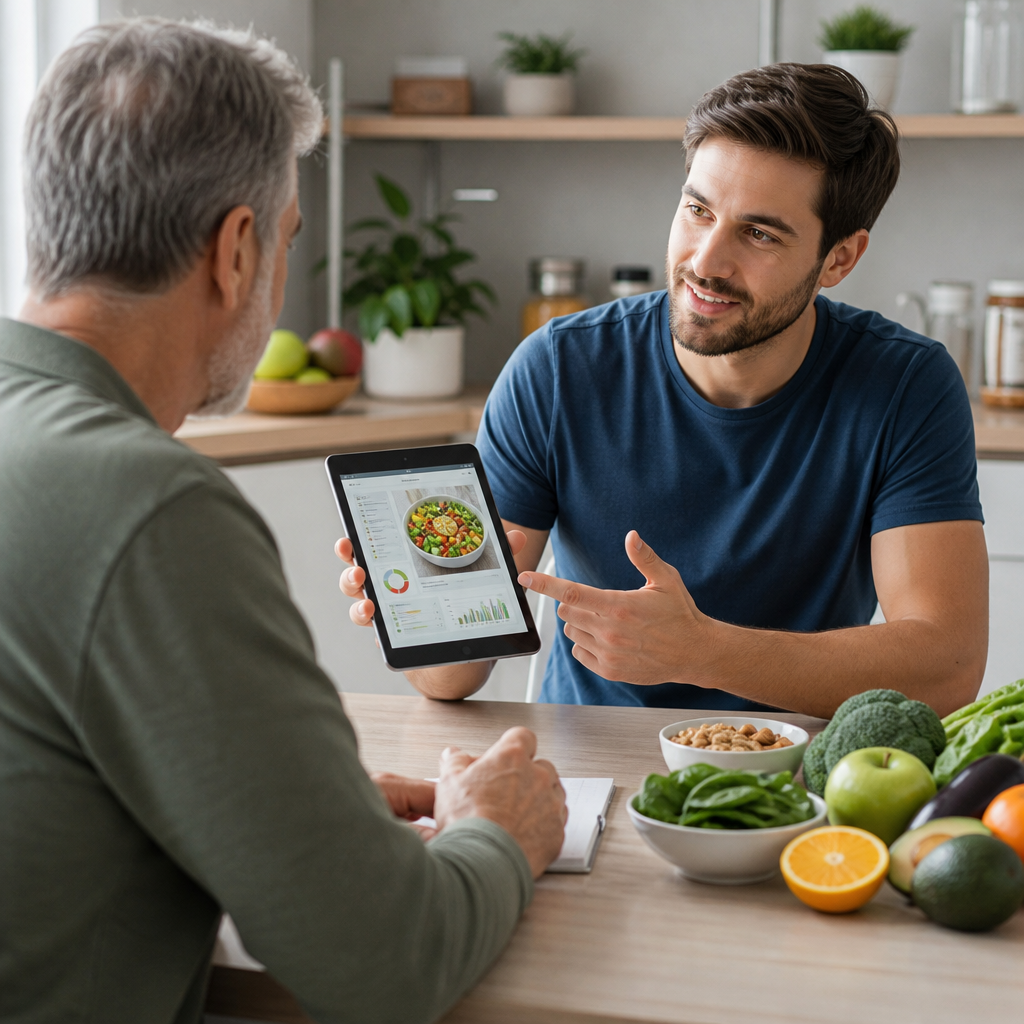
Healthcare systems worldwide are integrating digital platforms into routine patient care, and nutrition management has become one of the most promising areas for this transformation. Remote monitoring apps, AI-powered meal planning software, and telehealth consultations are changing how medical professionals deliver dietary guidance, particularly for patients managing chronic conditions like diabetes, cardiovascular disease, and metabolic disorders. These tools are not replacing traditional care but extending its reach and personalizing it in ways that were impractical just a decade ago.
The Shift from Generic Guidelines to Personalized Nutrition Plans
Standard dietary advice has long relied on population-level recommendations: reduce sodium, increase fiber, limit saturated fats. While these guidelines remain valid, they fail to account for individual metabolic differences, cultural food preferences, work schedules, and co-existing health conditions. Digital health platforms now allow clinicians to build nutrition plans that factor in real-time glucose responses, medication schedules, physical activity patterns, and even microbiome data in some advanced settings.
Continuous glucose monitors paired with dietary tracking apps provide immediate feedback on how specific foods affect blood sugar levels. A patient might discover that brown rice spikes their glucose more than quinoa, or that eating protein before carbohydrates significantly flattens their postprandial curve. This level of personalization was impossible when patients relied solely on quarterly clinic visits and food diaries reviewed weeks after the fact.
Collaboration Between Technology Teams and Clinical Staff
Implementing these nutrition management systems requires coordination between software developers, data analysts, and healthcare providers. The technical infrastructure must meet strict privacy regulations while remaining intuitive enough for patients of varying digital literacy levels. Clinical staff need training not just on how to use the platforms but on how to interpret the data they generate and translate it into actionable advice.
This mirrors broader trends in workplace collaboration, where cross-functional teams use shared digital platforms to streamline complex processes. The principles of coordinating diverse expertise through unified technology systems apply equally in hospital settings as they do in corporate environments. When dietitians, endocrinologists, nurses, and IT specialists can access the same patient data dashboard, care becomes more cohesive and responsive.
Remote Monitoring and Telehealth Consultations
Geographic barriers have traditionally limited access to specialized nutrition counseling. Patients in rural areas or those with mobility challenges often went without regular dietary support. Telehealth consultations now enable frequent check-ins without the time and cost of travel. A cardiac rehabilitation patient can have a video call with their dietitian to review their weekly food logs, adjust their meal plan based on recent lab results, and ask questions about portion sizes or food substitutions.
Remote monitoring takes this further by allowing passive data collection. Smart scales transmit weight trends, food photography apps use image recognition to estimate calorie and macronutrient content, and wearable devices track activity levels that inform caloric needs. Clinicians receive alerts when patients deviate significantly from their targets, enabling early intervention before small lapses become major setbacks.
The Challenge of Data Overload
The volume of data these systems generate can overwhelm both patients and providers. Not every fluctuation requires a response, and distinguishing meaningful patterns from noise demands experience and analytical tools. Effective platforms incorporate filters and summary visualizations that highlight what matters most: sustained trends, repeated non-compliance, or correlations between dietary choices and symptoms.
Professional Guidance in International Healthcare Hubs
Regions with diverse, mobile populations benefit particularly from technology-enhanced nutrition services. International medical centers often serve patients from dozens of countries, each with distinct dietary traditions and nutritional needs. Digital platforms can store culturally appropriate meal suggestions, translate materials into multiple languages, and accommodate religious dietary restrictions automatically. For patients seeking treatment while working with a dietitian nutritionist in settings like Abu Dhabi, these systems bridge the gap between evidence-based medical nutrition therapy and practical daily eating in a multicultural environment. The ability to access expert guidance remotely also supports continuity of care when patients return home after treatment or surgery.
Healthcare infrastructure in the UAE has grown rapidly, with international collaboration and technology adoption becoming defining features of the region’s medical landscape. This openness to integrating advanced digital health tools means patients can benefit from innovations developed globally while receiving care that respects local context and needs.
Behavioral Change and Long-Term Adherence
Technology alone does not change behavior. The most sophisticated app fails if patients abandon it after two weeks. Successful digital nutrition programs incorporate behavioral science principles: goal-setting features that encourage small, achievable targets rather than overwhelming overhauls; social elements that connect patients with peers facing similar challenges; and gamification that rewards consistency without trivializing serious health conditions.
Push notifications can remind patients to log meals or take medications, but poorly timed or excessive alerts drive people to disable the app entirely. The balance between engagement and intrusion requires careful calibration. Some platforms use machine learning to optimize notification timing based on when individual users are most likely to respond positively.
Integration with Medical Records and Care Pathways
Standalone nutrition apps provide limited value if their data remains isolated from the broader medical record. True integration means that dietary information flows into the same system cardiologists consult when adjusting blood pressure medications, that surgeons review when planning procedures that require nutritional optimization, and that pharmacists access when counseling patients on drug-nutrient interactions.
Interoperability standards like FHIR enable different software systems to exchange patient data securely. A glucose meter manufactured by one company can send readings to a hospital’s electronic health record system, where they appear alongside lab results and clinical notes. This technical infrastructure is complex and expensive to build, but it transforms disconnected tools into a coherent care ecosystem.
Privacy Concerns and Data Security
Dietary data reveals intimate details about patients’ lives: their economic status, religious practices, mental health struggles, and adherence to medical advice. A breach or misuse of this information carries serious consequences. Healthcare organizations implementing digital nutrition platforms must ensure end-to-end encryption, regular security audits, and clear policies about who can access data and for what purposes.
Patients should understand what information is collected, how long it is retained, and whether it will be used for research or quality improvement initiatives. Transparent consent processes build trust and increase willingness to share accurate information. Conversely, privacy violations or even perception of careless data handling can undermine the entire program.
Looking Forward: AI and Predictive Nutrition
Artificial intelligence systems are beginning to predict nutritional needs based on patterns across thousands of patients. An algorithm might identify that patients with a particular genetic marker respond better to Mediterranean-style diets for cardiovascular risk reduction, or that those taking certain medications are prone to specific micronutrient deficiencies. These insights can inform proactive interventions rather than reactive corrections.
However, AI in healthcare demands rigorous validation. A recommendation that works well for a training dataset of urban American adults might perform poorly for elderly patients in Southeast Asia. Developers must test across diverse populations and build in safeguards against algorithmic bias. Clinicians remain essential for interpreting AI suggestions within the full context of each patient’s situation, preferences, and values.
Digital health tools are not replacing human expertise in nutrition management but amplifying it. They extend the reach of dietitians and physicians, provide patients with real-time feedback and support, and generate data that reveals what actually works in daily life beyond the controlled environment of research studies. As these systems mature and integrate more deeply into standard care pathways, the potential for improving health outcomes through better nutrition becomes increasingly tangible.
